

2024, North West Wildlife Trust, Marine Internships, Offshore Wind Substation Kittiwake Nesting
Summary
Data & downloads
Reports
Related Pages
 Series
2025, North West Wildlife Trust, Marine Internships, Kittiwake Nesting in Irish Sea
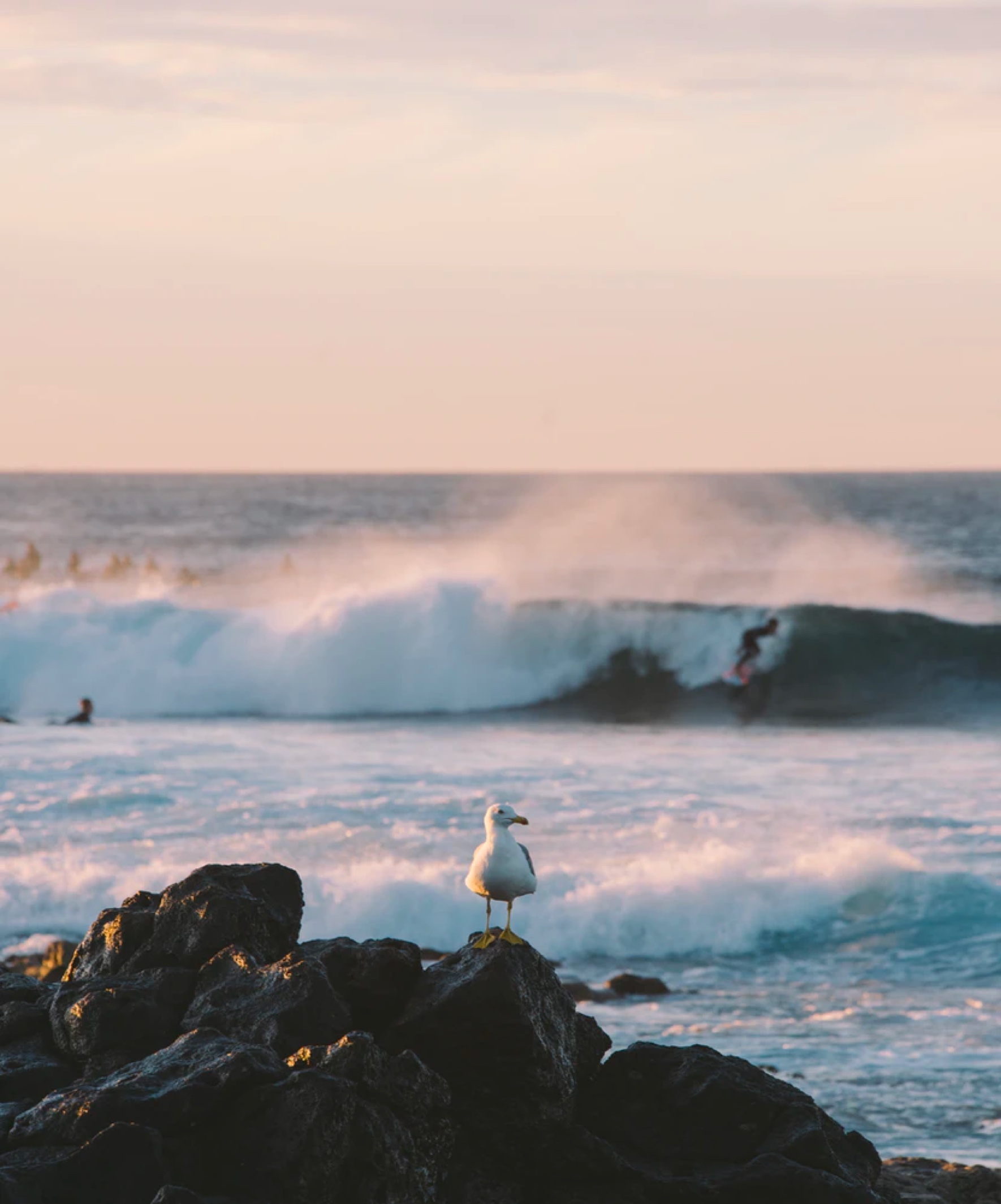
Here we report the monitoring of Black-legged Kittiwake (Rissa tridactyla) on offshore wind farm (OWF) infrastructure in the Irish Sea off the Cumbrian coast. The monitoring of the Walney 1 & 2 offshore substations (OSS) continued into its third year, including a trial deployment of timelapse cameras. We also report the first census of breeding kittiwakes on turbine jackets at the Ormonde OWF. The 2025 counts at Walney 1 & 2 OSSs were similar to previous years, indicating a superficially stable population and potentially indicative of well-established colonies with reduced growth. The trial of timelapse cameras indicated their suitability for future monitoring on the substations and provided data on nest phenology, potentially confirming anecdotal evidence that offshore breeding is delayed. The census of Ormonde found 15 apparently occupied nests (AON) restricted to a single turbine jacket but with adult kittiwakes roosting throughout the wind farm. However, survey limitations prevented productivity estimates; continued monitoring of the kittiwake population within the arrays at Walney and Ormonde will further improve our understanding of the colonies. The following report was produced as part of the Marine Futures Internship; a collaborative project between Natural England, Ørsted, The Crown Estate and the North West Wildlife Trusts, which is funded by The Crown Estate and managed by Cumbria Wildlife Trust.
Series2025, North West Wildlife Trust, Marine Internships, Ornithological Nature Inclusive Design
The following report was produced as part of the Marine Futures Internship; a collaborative project between Natural England, Ørsted, The Crown Estate and the North West Wildlife Trusts, which is funded by The Crown Estate and managed by Cumbria Wildlife Trust. The expansion of offshore wind infrastructure has led to increasing interactions with marine ecosystems, including the establishment of black-legged kittiwake colonies on offshore wind structures. Notably, approximately 250 kittiwakes now nest on the Walney 1 and 2 offshore substations (OSSs) off the coast of Cumbria. Within a UK policy context shaped by the mitigation hierarchy, strategic compensation, and emerging marine net gain (MNG) requirements, this raises questions about how such colonies can be supported while meeting developers’ environmental obligations. This study explores the potential role of Ornithological Nature-Inclusive Design (ONID) in offshore wind, with a focus on its feasibility, policy alignment, and stakeholder acceptability. Semi-structured interviews with regulators, developers, statutory bodies, and NGOs reveal broad conceptual support for ONID, but limited willingness to adopt it as a form of strategic compensation. Key barriers include the lack of a clear, shared definition of NID, insufficient evidence of ecological effectiveness, concerns about increased collision risk, and challenges in quantification, cost, and decommissioning. Stakeholders largely view ONID as better suited to early-stage mitigation or delivery of marine net gain rather than compensation. The study concludes that, with a clear definition, targeted evidence-gathering, and appropriate incentives, ONID could become a valuable design best-practice tool to reduce impacts and support seabird populations, including kittiwakes at Walney, without undermining the mitigation hierarchy. The following report was produced as part of the Marine Futures Internship; a collaborative project between Natural England, Ørsted, The Crown Estate and the North West Wildlife Trusts, which is funded by The Crown Estate and managed by Cumbria Wildlife Trust.
 Series
2025, North West Wildlife Trust, Marine Internships, Supporting the development of Marine Net Gain policy
A synthesis of UK marine policy and Marine Net Gain (MNG) using systems thinking mapping to identify the gaps, overlaps, and opportunities between MNG and UK environmental, coastal, and marine policy. This report was produced as a collaboration between the Offshore Wind Evidence and Change Programme’s MNG Task & Finish Group and The Crown Estate’s Marine Futures Internship. The UK marine policy landscape is an evolving system, with many links but also gaps between different policies. With the growth of the offshore wind industry there are additional policy issues to contend with, one of which is the potential impacts of offshore development on marine biodiversity. MNG is an evolving policy which aims to ensure that offshore development or activity leaves the marine environment in a better state than it was in before. Whilst emerging MNG policy offers significant potential to drive restoration, clear gaps remain in governance, spatial coverage, and alignment with other related policies. Addressing these gaps through clearer links to the mitigation hierarchy, research and evidence to link central and local strategies, and a feasible implementation framework will be critical to move forwards. Collaboration across the devolved nations and learnings from pilot schemes could help create a more efficient and effective approach to marine restoration at a regional and national level. The Marine Futures Internship is a collaborative project between Natural England, Ørsted, The Crown Estate and the North West Wildlife Trusts, which is funded by The Crown Estate and managed by Cumbria Wildlife Trust.
 Series
2025, North West Wildlife Trust, Marine Internships, Native Oyster Restoration Feasibility
The loss of native oysters (Ostrea edulis) from much of the UK also saw the loss of their ecosystem services. In the face of both climate and biodiversity crises, the restoration of these ecosystem engineers presents a nature-based solution for the recovery of marine ecosystems. High-level national studies have identified limited suitable areas for restoration in the North West of England however, regional assessments reveal greater areas of suitability. Here, I increase the search area in the North West, developing a habitat suitability map (HSM) to assess ecological suitability and examining historic records to establish precedent for restoration. I found 81.2km2 of suitable habitat within the search area of which some areas would pose logistical challenges for restoration. Historic records identified a mapped reef off the coast of Fleetwood, totalling 7.4km2 and overlapping exactly with an area of ecological suitability. This indicates the reliability of the HSM output and provides a strong case for the feasibility of restoration at the site off Fleetwood. Further scoping is needed to better establish feasibility of the site, predominantly through data-collection at the site to ground-truth the HSM. Next steps would ideally include continued scoping of the Fleetwood site while deploying a brood stock in the area to establish an ecological trial and engage with local stakeholders. The following report was produced as part of the Marine Futures Internship; a collaborative project between Natural England, Ørsted, The Crown Estate and the North West Wildlife Trusts, which is funded by The Crown Estate and managed by Cumbria Wildlife Trust.
 Series
2025, Kent Wildlife Trust, Marine Internships, Historical Dolphin Sightings Data Review
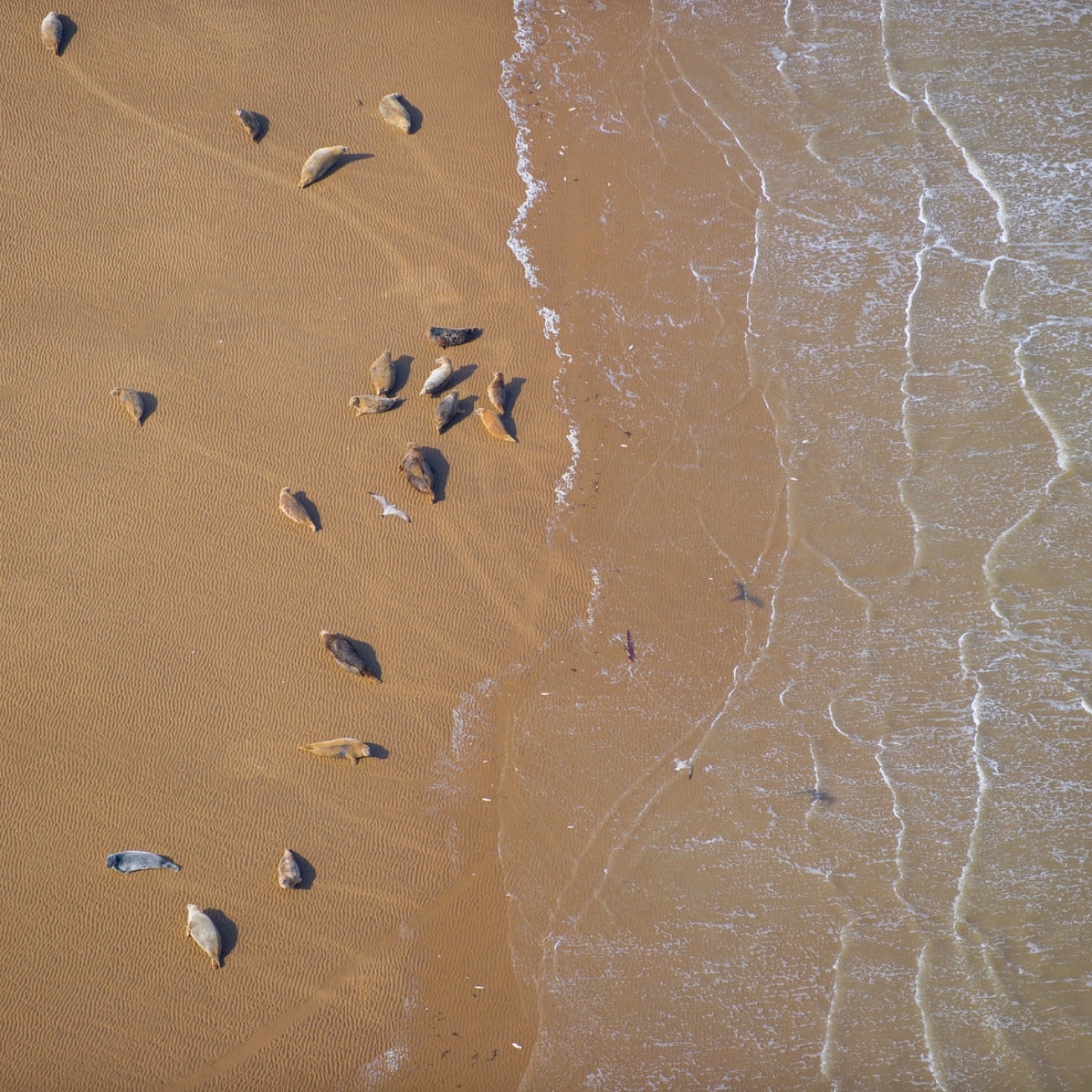
The Kent Dolphin Project is a collaborative effort between Sussex Dolphin Project and Adonis Blue Environmental Consultants, part of the Kent Wildlife Trust Group. As part of the Kent Dolphin Project, this report reviews historical cetacean and pinniped sightings in Kent’s coastal waters, an area of high anthropogenic activity within the Greater Thames Estuary. Cetaceans play vital roles in marine ecosystems but face pressures such as bycatch, vessel strikes, and underwater noise. Research along the Kent coastline has been limited, a gap the Kent Dolphin Project aims to address through citizen science initiatives including landwatch sessions and opportunistic sightings. Data from multiple sources spanning 120 years recorded 18 cetacean species, with harbour porpoise most frequently observed and Dungeness identified as a potential hotspot. These findings provide a baseline but highlight gaps for species such as white-beaked dolphin. Preliminary project data show promise, with over 30 volunteers trained and sightings of humpback whale, bottlenose dolphin, and harbour porpoise. Recommendations include sustaining volunteer engagement, expanding educational outreach, and strengthening research through environmental analysis and behavioural monitoring. Continued data collection and community involvement will be critical to improving understanding and informing conservation strategies for cetaceans in Kent’s waters. The following report was produced as part of the Coast Explorer Internship; a collaborative project between Adonis Blue Environmental Consultant (Kent Wildlife Trust), The Crown Estate, Vattenfall, and the Canterbury City Council, which is funded by The Crown Estate and managed by Adonis Blue Environmental Consultant.
 Series
2025, Kent Wildlife Trust, Marine Internships, Small Shark Tagging Project Feasibility Study
This study assesses the feasibility of implementing a citizen science led small-shark tagging project in Kent. The proposed project aims to work with members of the local recreational angling community (the citizen scientists) who would be trained to tag and record the sharks, skates and rays they catch. Data would be gathered using a catch, tag, release, recapture method. This study provides initial insight into elasmobranch species presence and distribution in Kent, considers the opportunities and constraints in the tagging project’s development, and explores the feasibility of working with the local angling community and various other stakeholders to help kick start the project. Results of this study evidenced a strong presence of elasmobranchs around Kent’s coastline, a preliminary interest from the local angling community, and potential to collaborate with external partner organisations. Overall, evidence is strong to suggest the successful launch of a citizen science led small-shark tagging project in Kent. This report was produced as part of the Coast Explorer Internship; a collaborative project between Adonis Blue Environmental Consultant (Kent Wildlife Trust), The Crown Estate, Vattenfall, and the Canterbury City Council, which is funded by The Crown Estate and managed by Adonis Blue Environmental Consultants.
 Series
2025, North Wales Wildlife Trust, Marine Internships, Offshore Renewable Energy Literacy Engagement
This report explores offshore renewable energy literacy and engagement in North Wales, with a focus on improving community participation in social value initiatives and impact awareness. Through surveys, interviews and secondary data analysis, this report compares the two focus areas of Ynys Môn and the broader northern coastline of Wales, with an emphasis on offshore renewable energy developers and the social initiatives they offer to coastal communities. The recommendations from this report will inform current and future offshore renewable energy developments, to deliver meaningful social impact across North Wales, with further potential application throughout the wider United Kingdom. The following report was produced as part of the North Wales Internship; a collaborative project between North Wales Wildlife Trust, The Crown Estate, M-SParc and Menter Môn, which is funded by The Crown Estate and managed by North Wales Wildlife Trust.
 Series
2025, Lincolnshire Wildlife Trust, Marine Internships, Capturing Social Outcomes in Marine Restoration Projects
Marine ecosystem restoration projects increasingly aim to deliver social returns alongside ecological outcomes. However, there is limited understanding of how to capture and measure social outcomes effectively. This report explores how Social Return on Investment (SROI) can be applied to assess the social benefits of volunteering in marine restoration, using the Wilder Humber project as a case study. Challenges of applying this method are discussed and recommendations are made to ensure the reliability of future application.
 Series
2025, Lincolnshire Wildlife Trust, Marine Internships, Optimising Value of Scour and Cable Protection
This project was hosted by Lincolnshire Wildlife Trust with the help of the partner organisations, The Crown Estate, Ørsted and Natural England. One third of United Kingdom (UK) offshore wind farms (OWFs) will reach the end of their operational life by 2035, meaning that greater consideration must now be given to decommissioning. Concerns have been raised surrounding the feasibility of current decommissioning processes, particularly regarding the removal of scour and cable protection, and there remains a lack of a robust evidence base to guide best practice. Current policy expectations require full removal of scour and cable protection. However, there are growing calls for alternative approaches, including partial removal and full retention, which may deliver the greatest holistic value for both the environment and society. To explore this issue, the project adopted a stakeholder engagement approach involving developers, marine consultancies, conservation charities, and governmental bodies to investigate value creation opportunities. Stakeholder input revealed that the development of a more adaptable, context specific framework for decommissioning could potentially support equitable benefit sharing and biodiversity gains. However, the current rigidity of decommissioning frameworks and additional barriers deter innovative approaches from being realised. In response, this report provides a decommissioning decision tree framework considering the merits of different decommissioning approaches across different contexts. To ensure that the decision trees are applicable to real-world scenarios, key barriers have been identified, and recommendations have been put forward to address challenges. For decision trees to be ready for policy application, further research is required to explore how value creation options from alternative decommissioning options can be made viable. In addition, stakeholder collaboration is needed to establish common ground earlier in the leasing process. Overall, this report highlights how value creation opportunities could be supported and developed to become practical solutions.
Series2025, Lincolnshire Wildlife Trust, Marine Internships, Pacific Oyster Monitoring: Developing Surveys
The spread of invasive non-native species (INNS) is becoming an increasing concern with rising sea temperatures. One such INNS is the Pacific oyster (Magallana gigas) which was introduced to the UK to replace Native oyster aquaculture. Whilst it was thought at the time of introduction that Pacific oysters would not be able to survive in wild populations this is not the case and they are beginning to spread Northwards from Cornwall and Kent. This Project was commissioned to develop an effective survey methodology for monitoring Pacific oysters in North Norfolk and Lincolnshire. Project survey methodologies were developed and trialed. These results were then used to refine the methodolgy and present future monitoring recommendations for North Norfolk and Lincolnshire.
 Series
2024, Kent Wildlife Trust, Marine Internships, Wetland Bird Survey
Using data from the Wetland Bird Survey (WeBS), this exploratory analysis used General Additive Models to create population indices, from which trends in percentage change of relative population size were calculated. This identified long-term declines in the majority of sites surrounding the Greater Thames Estuary, along the north Kent and Essex Coastlines. This will help demonstrate vulnerable sites and high-impact external pressures, which in turn can help identify priority restoration sites. Overall, the results suggest strong application opportunities for the use of Dark-Bellied Brent Geese as environmental indicators. The following report was produced as part of the Coast Explorer Internship; a collaborative project between Adonis Blue Environmental Consultant (Kent Wildlife Trust), The Crown Estate, Vattenfall, and the Canterbury City Council, which is funded by The Crown Estate and managed by Adonis Blue Environmental Consultant.
 Series
2024, Kent Wildlife Trust, Marine Internships, Guide to Blue Finance Opportunities
This is a simple guide providing an overview to different Blue Finance funding opportunities. This includes a glossary of key words used within Blue Finance and Sustainable Financing, as well as short summaries of ‘need-to-know' information covering the main environmental credits available. Current live projects, pilots and frameworks for the relevant opportunities are also highlighted, as well as possible areas of work for the Transforming the Thames (TtTs) project. TtTs is a collaborative seascape scale restoration, reconnection and recovery project within the Thames Estuary. It aims to restore and reconnect damaged habitats for the next 10 years and beyond. This guide analyses some of the options available to help fund this project. The following report was produced as part of the Coast Explorer Internship; a collaborative project between Adonis Blue Environmental Consultant (Kent Wildlife Trust), The Crown Estate, Vattenfall, and the Canterbury City Council, which is funded by The Crown Estate and managed by Adonis Blue Environmental Consultant.